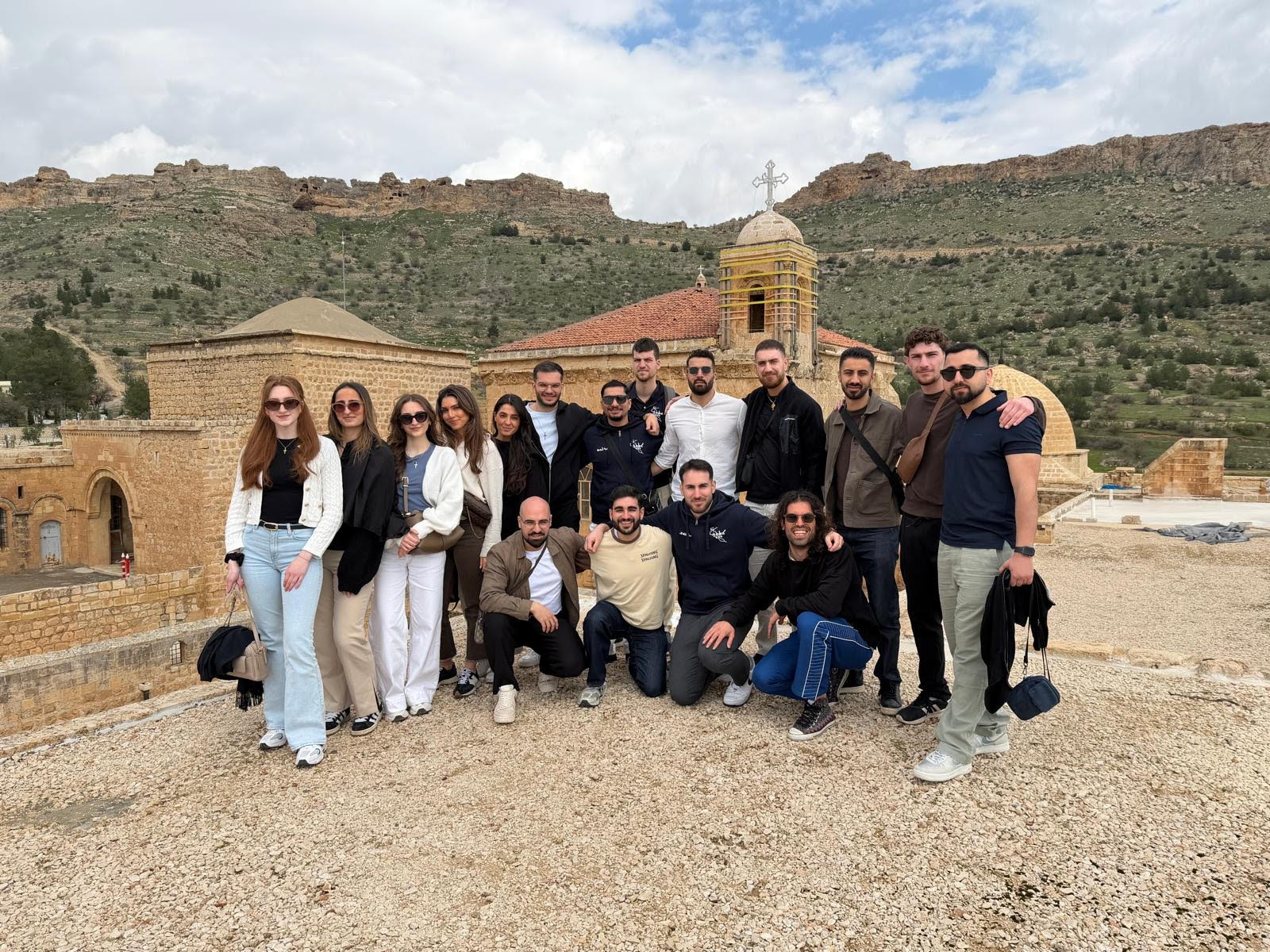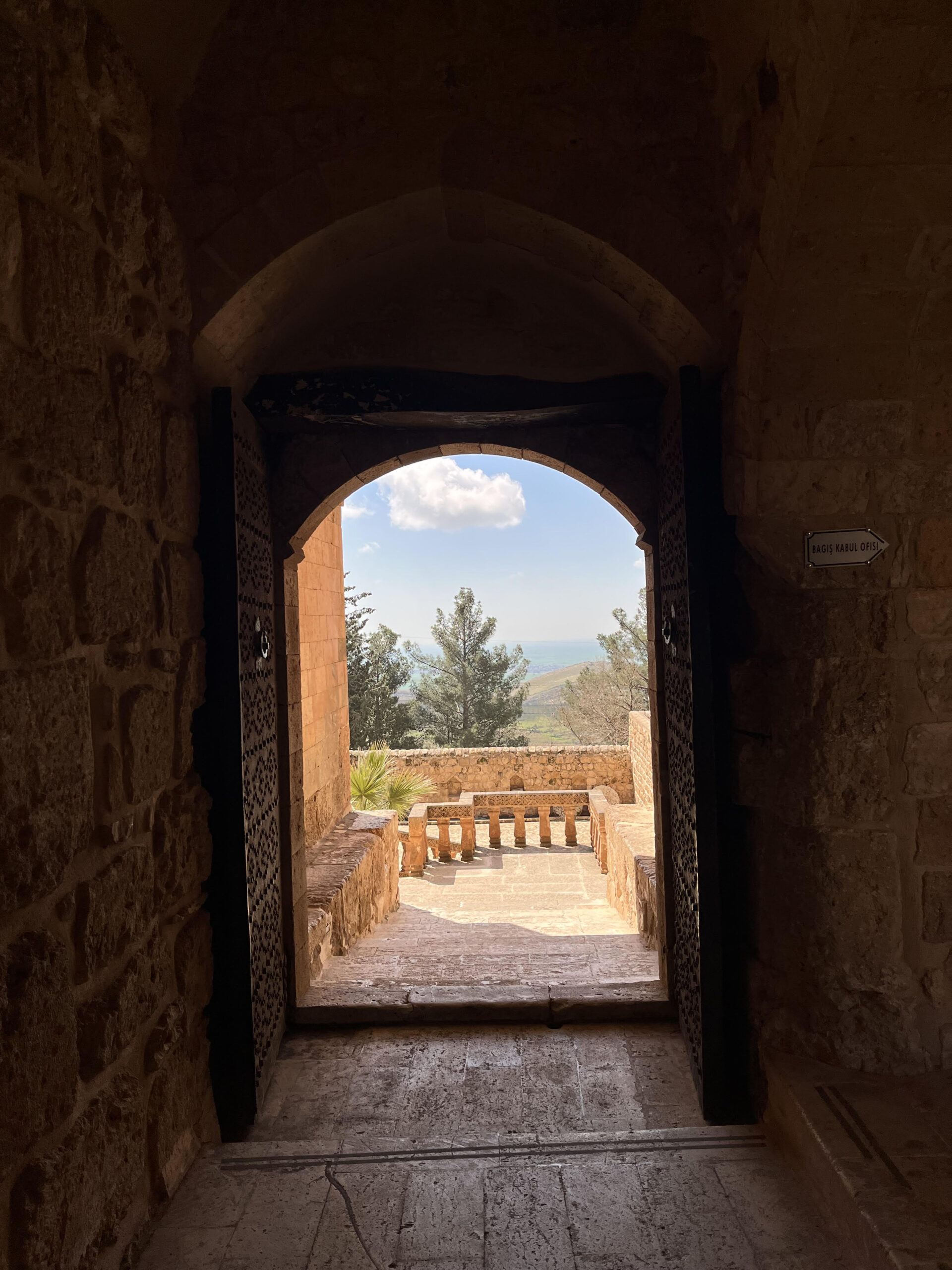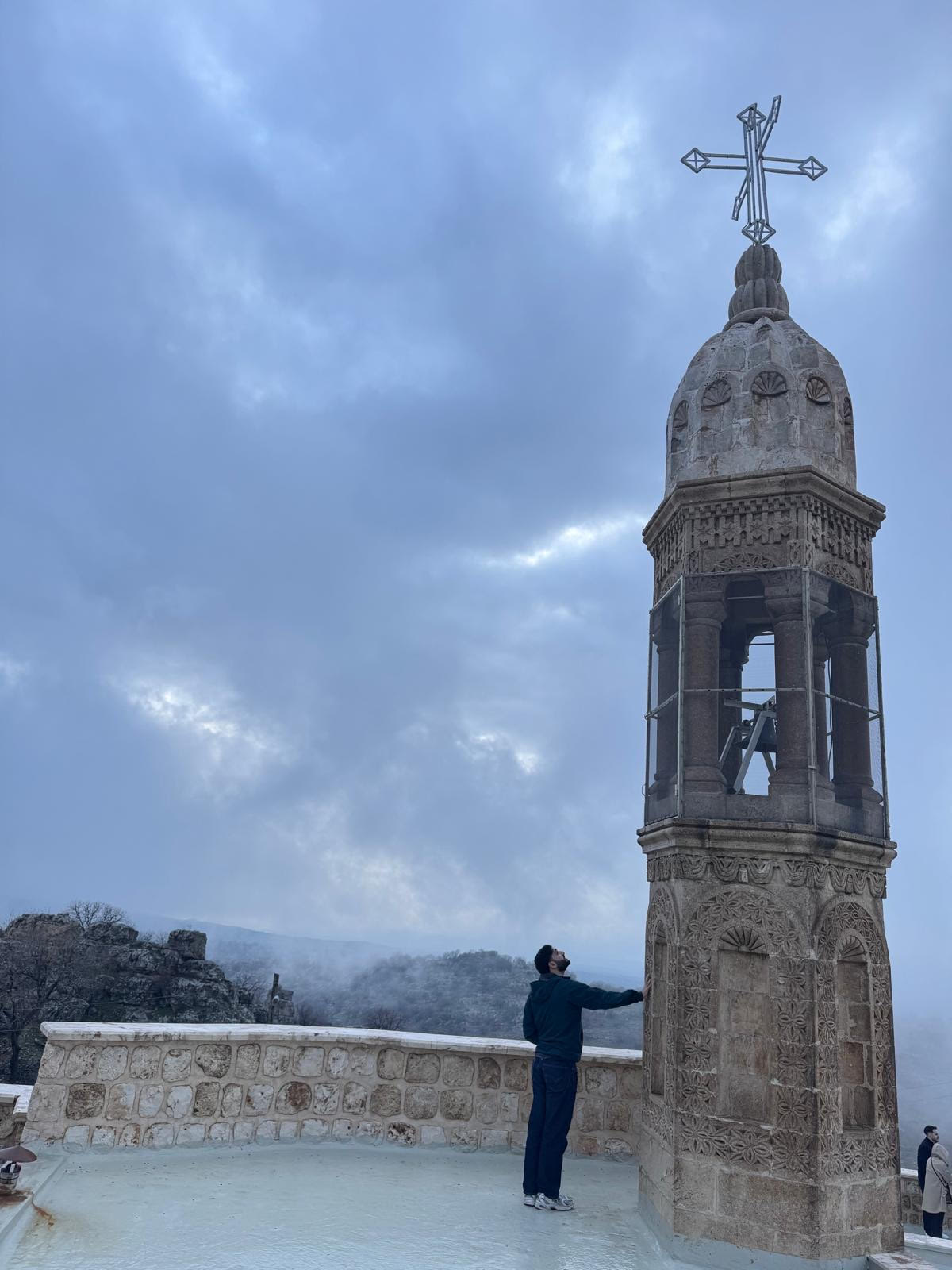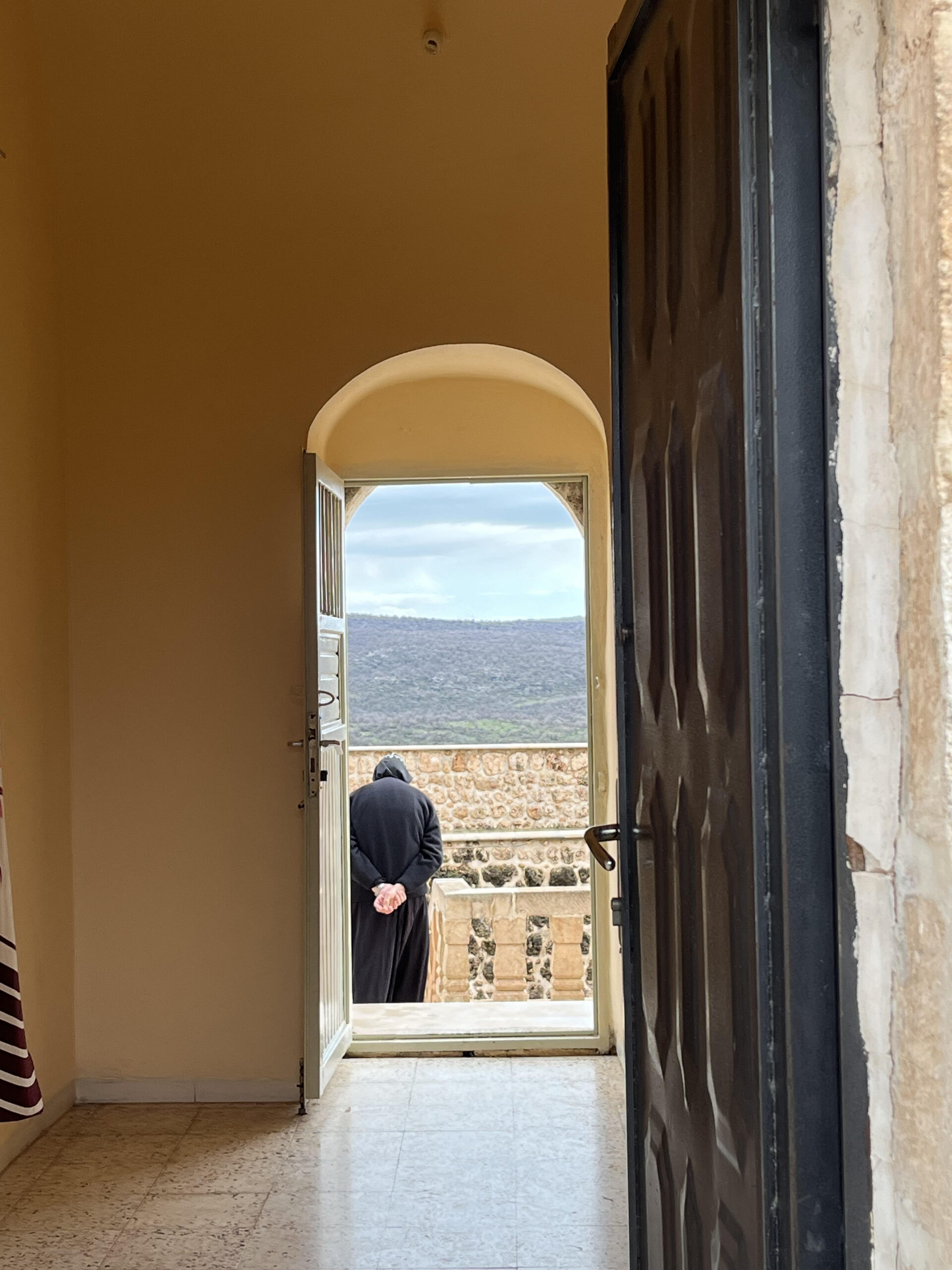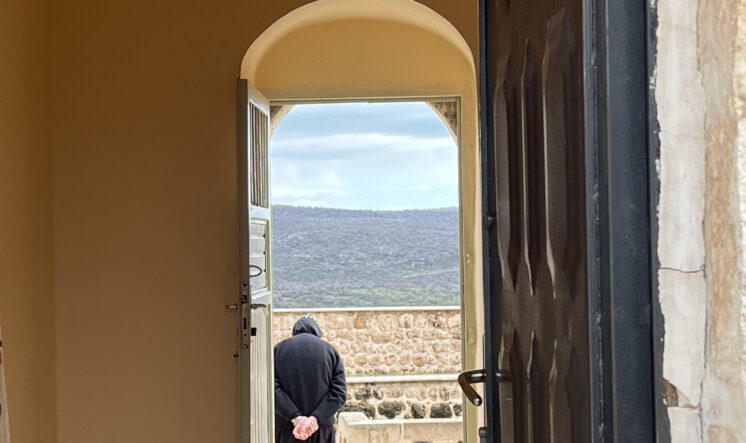
After the trip of a lifetime, I sat down with a close friend and reflected on how privileged we are to have witnessed what we’ve seen over the past week, which inspired me to write this piece. Right now, I’m sitting in the safety of my apartment in Sweden, writing, but I’m only physically in Södertälje. Mentally, emotionally, and spiritually, I’m still in the mountains of our ancestors.
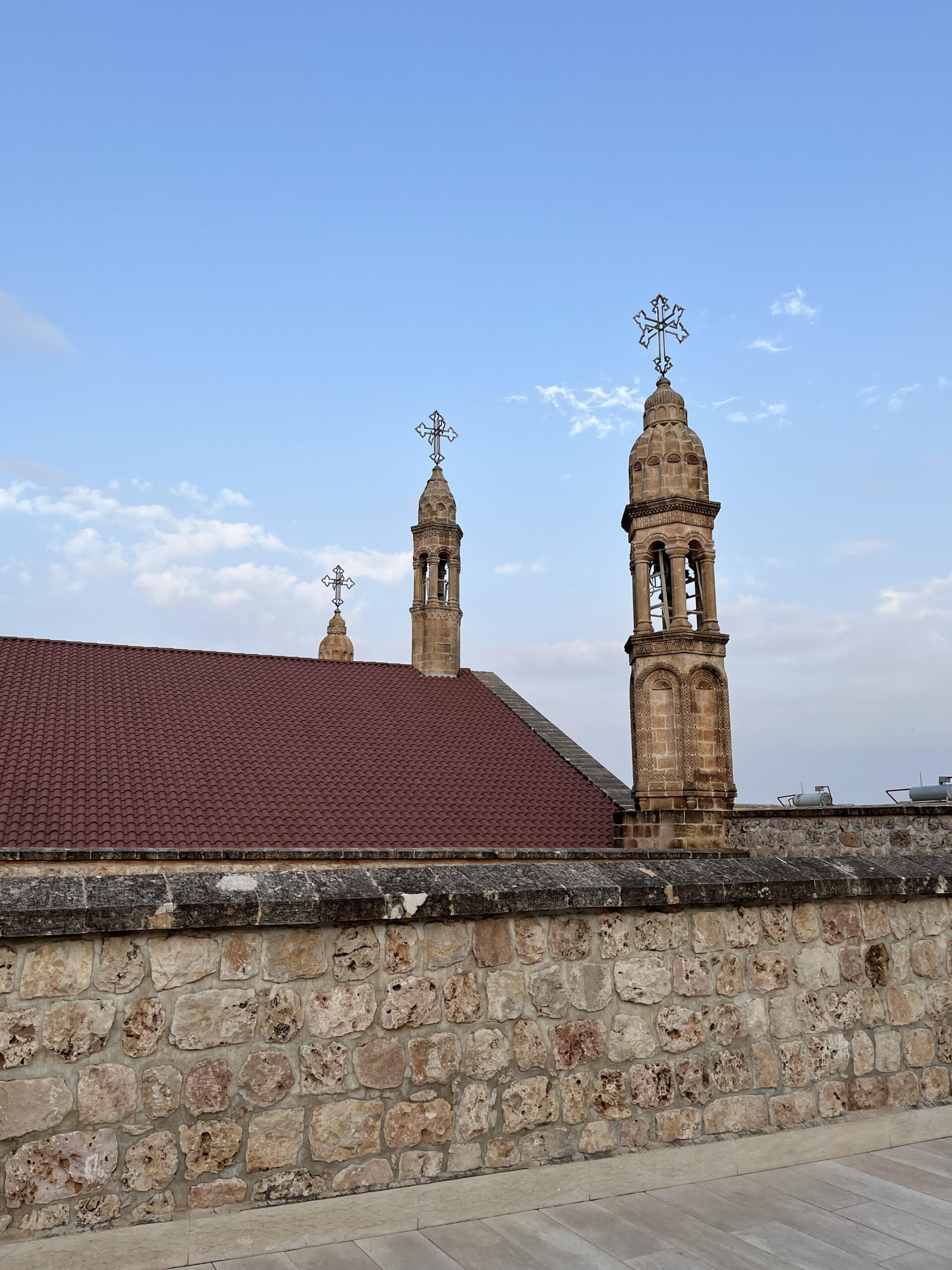
From the beautiful landscapes that surround our monasteries and churches to the peaks of the Hakkari Mountains, this journey reminded us of our religious and national resilience and ability to survive. It is clear that the group that arrived in Turkey is not the same one now returning to Sweden, Germany, and Greece. Parts of us died and now lie buried alongside our ancestors, while other parts within us were revived, and we showed that our story lives on and should no longer be regarded as an ancient tale. All of you, whom I now choose to call wonderful friends, have broken a bitter family pattern of absence in our homeland, and we hope to move toward brighter times.
The analogy that came to mind was that of getting your first vaccine: it hurts at first, but over time you begin to heal. I believe this is a healthy approach to maintaining a continued presence in these beautiful Assyrian landscapes.
My family home was located on the other side of a massive mountain range and a national border. Despite that, I always felt at home. I had the opportunity to be part of others’ journeys, as they returned for the first time to the land that had been stolen from their families. It stirred up strong and mixed emotions, but I am deeply grateful to have been able to share that moment with them.
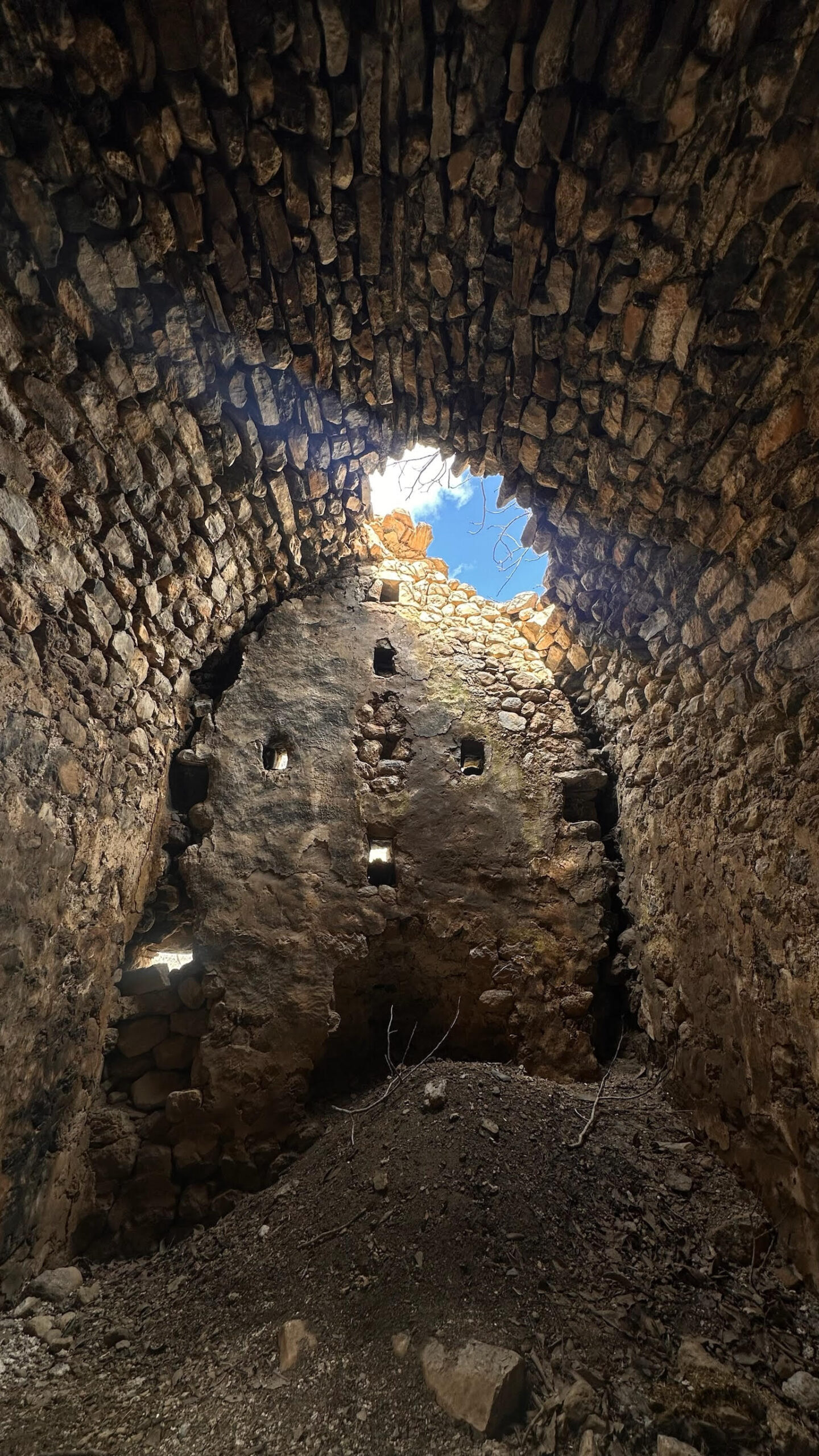
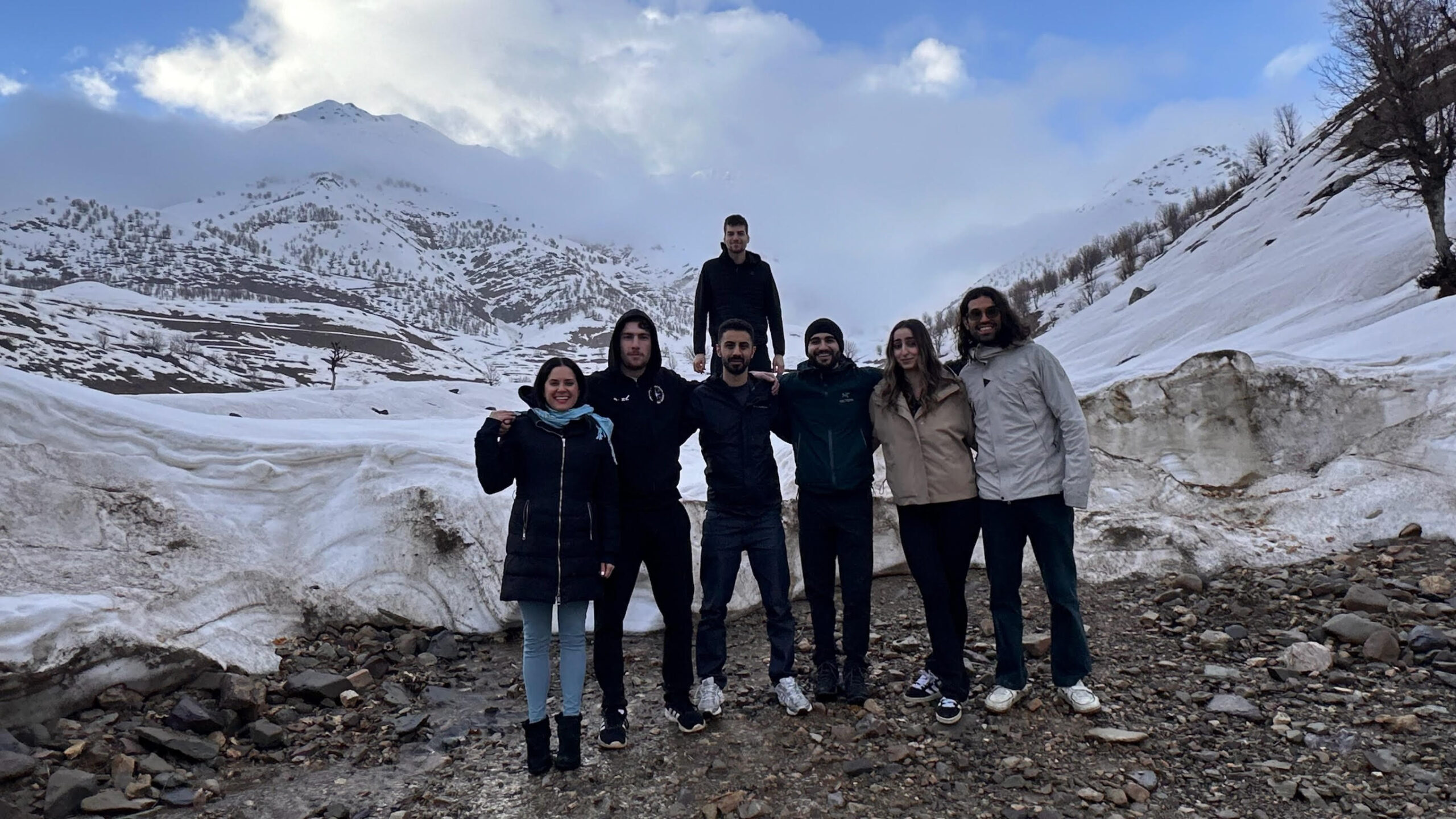
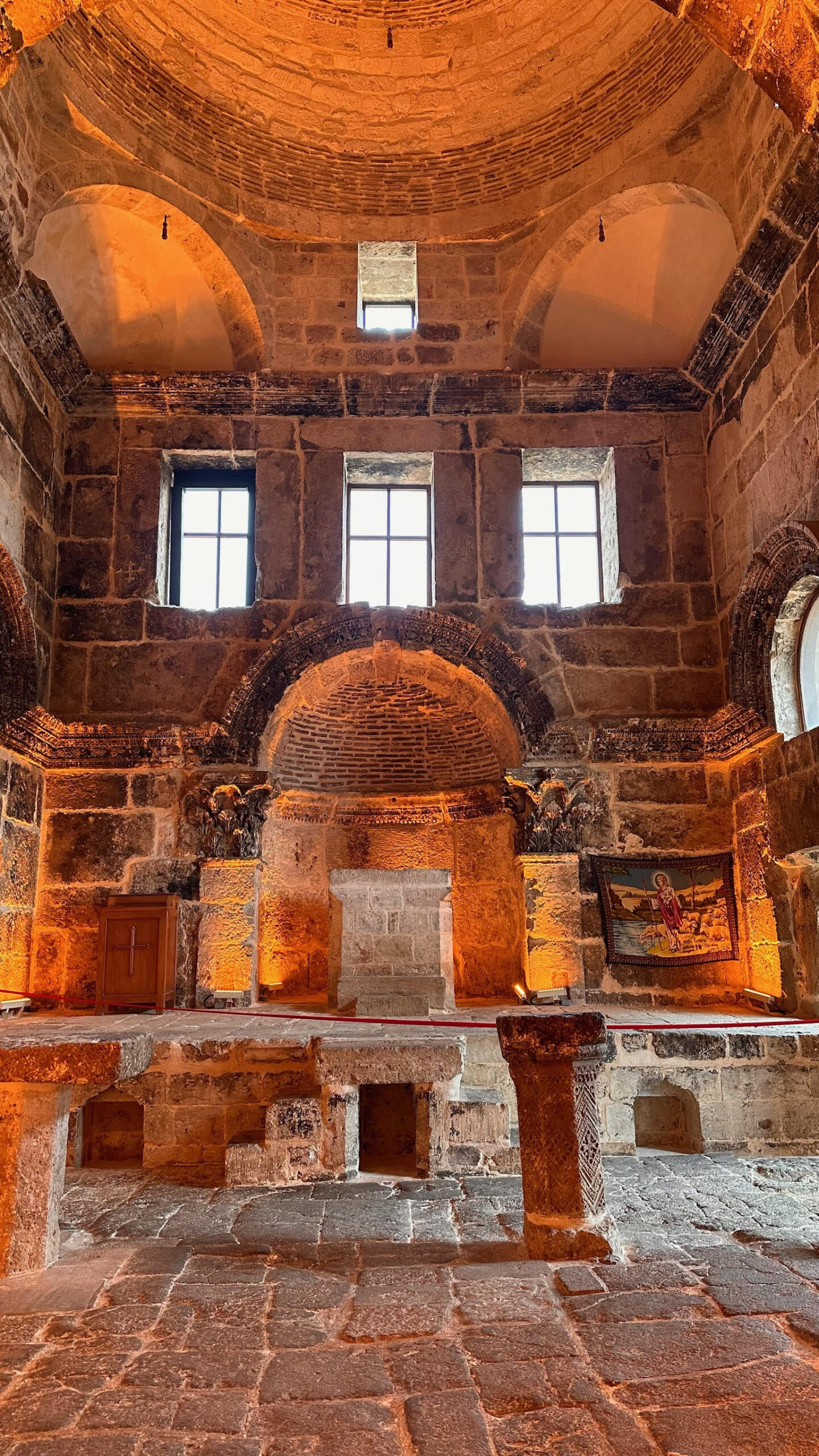
We managed to do everything from visiting host families and villages, having snowball fights in Asheetha, leaving flags behind in Esfes, offering words of encouragement in Dayro d’Zafran, and praying in churches that likely haven’t heard a Christian voice in over 100 years. Let this serve as a metaphor for the resilience our people have shown throughout history. We had the honor of representing and carrying on this heavy history, which we did with distinction. It was even more special to celebrate Easter in Hakkari. The Resurrection, in all its glory, manifested itself in many ways, and I will remember this Easter for the rest of my life.
I felt how all of us, regardless of our own labels or religious affiliations, found an incredible sense of unity. It quickly became clear that we have more similarities than differences, both as individuals but above all as a nation. As soon as we landed in Diyarbakir, I felt a “us versus them” mentality kick in. There are likely generations of trauma behind this feeling, but the beautiful thing was that we were able to relax as a group among ourselves quite quickly. We were no longer people from Örebro, Stockholm, Gothenburg, Syriacs, or Assyrians. We were one. The lesson is that when we focus too much on ourselves, we don’t feel well. We create internal divisions in the absence of an external threat; the diaspora, unfortunately, has this effect. That is why this trip was more than just a fond memory. We who have experienced the journey are now a source of light for our loved ones. All the stories we now have to share with our loved ones can hopefully inspire us to focus on what is important for our survival — our nation. I know I will do so with a big smile on my face, thanks to all the wonderful experiences I’ve had and the amazing people I’ve met along the way.
We hope to inspire other Assyrians, regardless of their denominations, as well as our churches, to unite, take action, and reclaim what remains.
Many thanks to UAS, especially Thomas Tamras and Ninve De Basso.